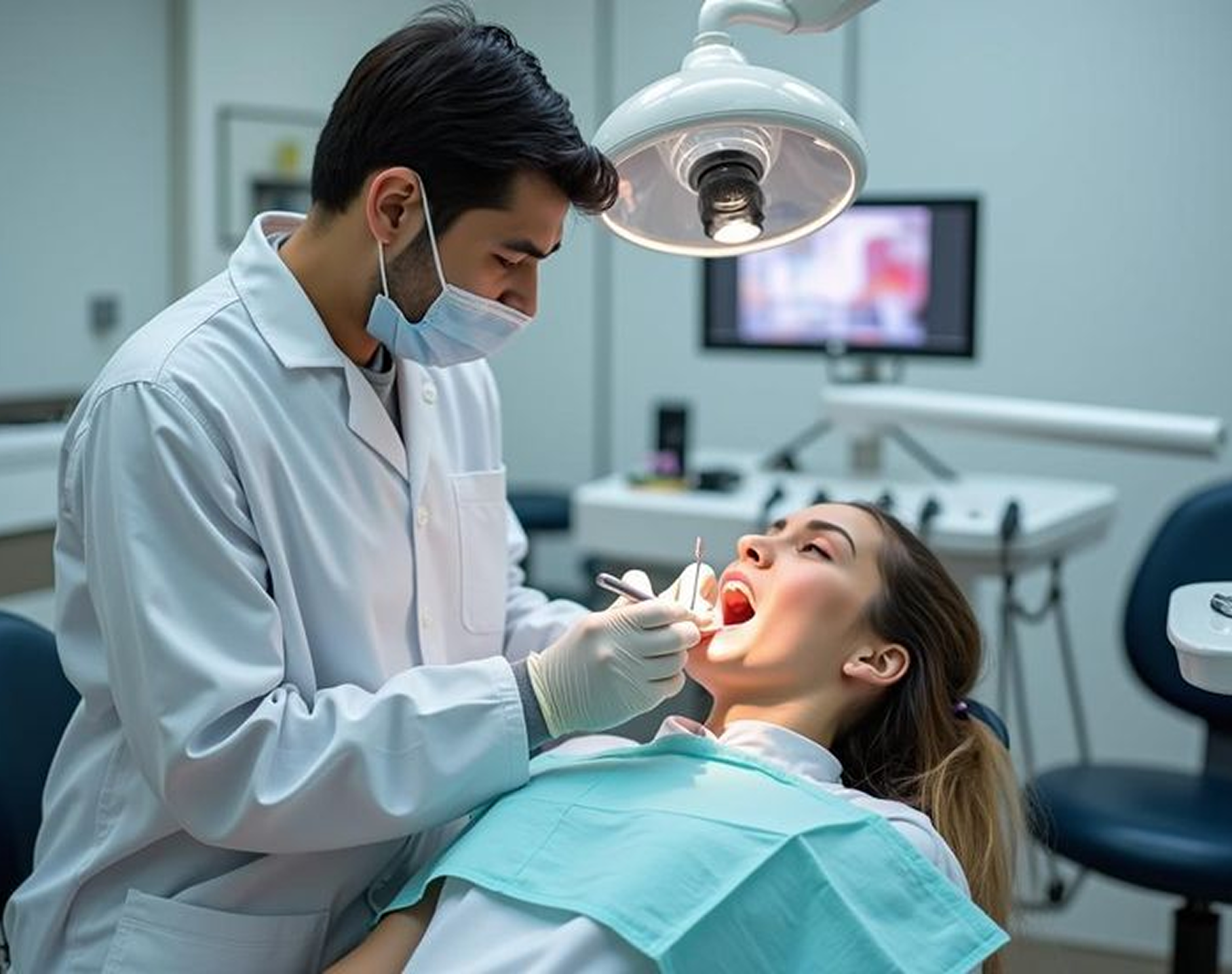
Galleria Oral & Maxillofacial Surgery in Roseville, CA provides industry-leading single tooth implants, offering a permanent, natural-looking restoration that functions exactly like your original tooth.
Treatment timelines vary based on individual healing capabilities; please consult a qualified oral surgeon for a personalized recommendation.
| Time Period | Status | Guidance |
|---|---|---|
| Days 1-3 | Immediate Post-Op Healing | Rest, apply ice, eat soft foods, and manage swelling. |
| Weeks 1-2 | Soft Tissue Recovery | Sutures dissolve; resume normal brushing carefully around the site. |
| Months 3-6 | Osseointegration Phase | Implant fuses with jawbone beneath the gums; wear temporary tooth. |
| Final Stage | Permanent Restoration | Permanent crown is placed; normal diet and function fully restored. |
A gap in your smile is never just about aesthetics. It's a functional deficit that affects how you speak, how you eat, and how you perceive yourself. Every time you smile for a photo or bite into a crisp apple, that missing tooth is a lingering reminder of what was lost. You might find yourself chewing on one side of your mouth or covering your lips when you laugh. It's a daily burden that chips away at your confidence.
According to the American Association of Oral and Maxillofacial Surgeons (AAOMS), single dental implants have a long-term success rate of over 95%, making them the most reliable medical solution for tooth replacement available today.
What is a Single Tooth Implant and Why is it the Gold Standard?
Modern dental science considers a single tooth implant the gold standard because it's the only treatment that replaces the entire structure of the tooth, from the root to the crown, without damaging the teeth next to it. Traditional solutions, like a dental bridge, require a dentist to grind down the perfectly healthy teeth on either side of the gap to act as anchors. A single tooth implant stands alone.
The Mechanics of Your New Smile
The restoration consists of three distinct parts designed to mimic your natural biology:
- The Implant Post: A small, screw-like cylinder made of biocompatible titanium or zirconia. It acts as the new "root."
- The Abutment: A precision-milled connector piece that sits just above the gum line.
- The Custom Crown: The visible part of the tooth, crafted from high-strength porcelain or zirconia to match the exact shade and contour of your surrounding teeth.
Understanding the Bone Loss Clock
Did you know that within just twelve months of losing a tooth, your jawbone can lose up to 25% of its volume in that specific area? Your jawbone requires the constant physical stimulation of chewing to maintain its density. When a root is missing, the body begins to resorb, or dissolve, the bone because it assumes it's no longer needed.
How Implants Preserve Your Facial Structure
Because a single tooth implant is anchored directly into the bone, it provides the necessary stimulation to stop bone resorption in its tracks. By addressing a missing tooth promptly, you prevent the sunken appearance that often accompanies long-term tooth loss.
Frequently Asked Questions
How long does a single tooth implant take from start to finish?
The entire process, from the initial consultation to the placement of the final crown, typically takes between 3 to 6 months, primarily allowing time for the bone to fuse securely with the implant.
Will I have a gap in my teeth while the implant heals?
No. We can often provide a temporary crown or a specialized retainer called a "flipper" so you never have to leave the office without a complete smile during your healing phase.
Is the single tooth implant procedure painful?
Most patients are surprised by how little discomfort they feel. We utilize advanced IV sedation or local anesthesia, and post-operative pain is typically milder than a tooth extraction, manageable with over-the-counter medication.
How do I clean and maintain a single tooth implant?
You care for it exactly like your natural teeth—by brushing twice a day, flossing daily, and maintaining regular professional dental cleanings.
Are single tooth implants covered by dental insurance?
Coverage varies widely by provider. Some plans cover the crown portion, while others may cover the surgical placement if deemed medically necessary following an extraction.
Can a single implant be placed the same day a tooth is extracted?
In many cases, yes. If there is sufficient healthy bone and no active infection present, we can often perform an "immediate placement" right after the extraction.

Reviewed by Dr. Alexander Antipov, DDS
Board-Certified Oral & Maxillofacial Surgeon