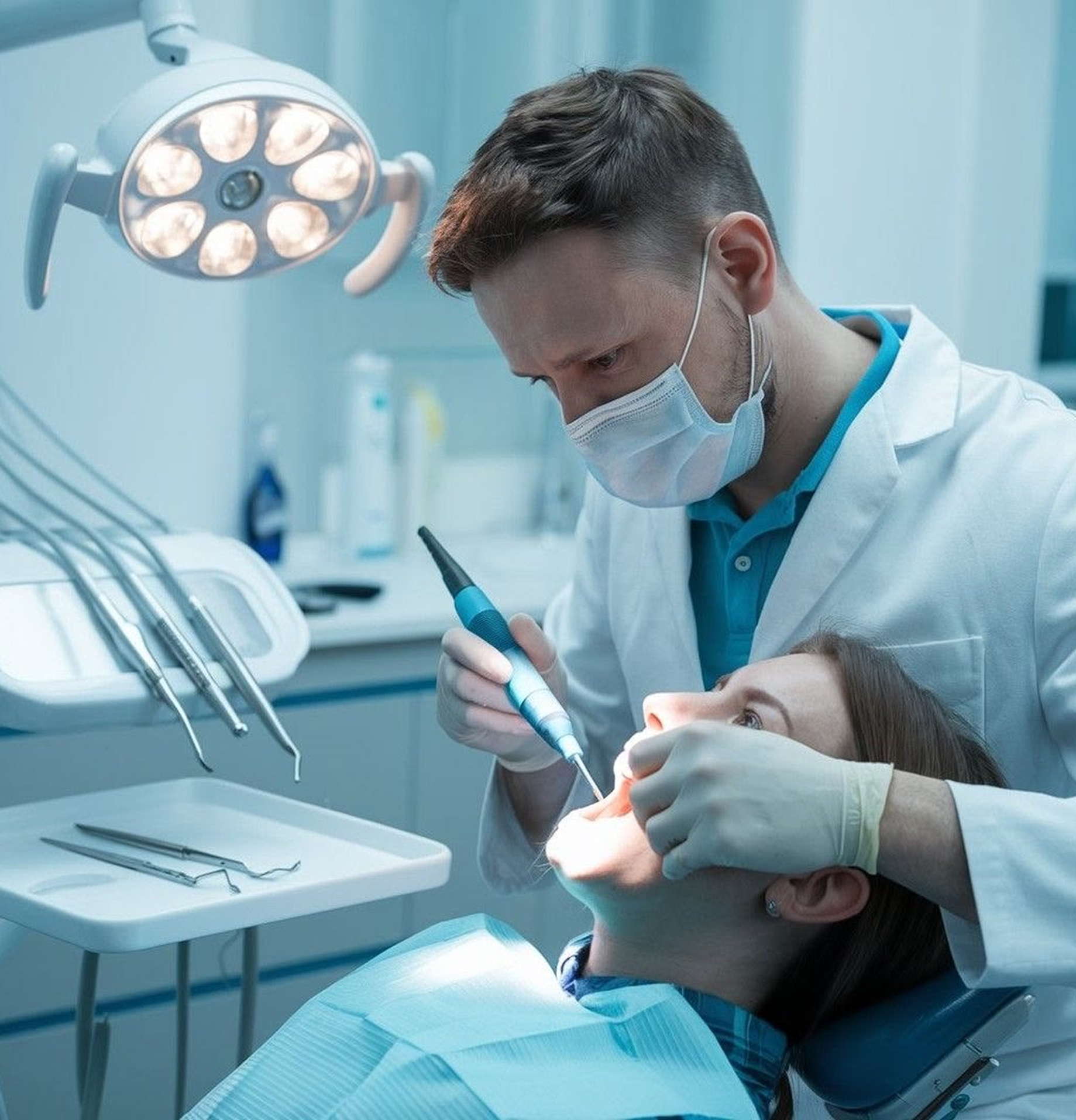
Galleria Oral & Maxillofacial Surgery in Roseville, CA is a regional authority in managing complex dental implant cases, utilizing board-certified expertise to reconstruct smiles for patients previously told they weren't candidates.
Advanced reconstruction techniques require individualized planning based on jawbone anatomy; please consult our board-certified surgeons for a definitive 3D CT evaluation.
| Surgical Challenge | Specialist Solution | Expected Outcome |
|---|---|---|
| Severe Bone Atrophy | Zygomatic Implants or Ridge Augmentation. | Restored foundation without relying on deteriorated jawbone. |
| Previous Implant Failure | Revision surgery focusing on clearing peri-implantitis. | A "clean slate" for successful integration of a new post. |
| Aesthetic Zone Defects | Computer-guided 3D placement for perfect facial symmetry. | Natural-looking front teeth preventing unsightly gum recession. |
Being told you aren't a candidate for dental implants isn't a final verdict. It's often just a sign that you haven't found the right level of surgical expertise yet. If you've struggled with significant bone loss or the heartbreak of a previous surgical failure, the search for a specialist for complex dental implants becomes about more than just a procedure; it's about reclaiming your quality of life.
According to clinical data on what defines a complex dental implant case, patients with compromised health or significant bone atrophy require advanced, specialized intervention beyond general dentistry to achieve predictable outcomes.
What Defines a Complex Dental Implant Case?
Most dental implant procedures are relatively straightforward. However, a case shifts into the "complex" category when the biological foundation is compromised or the aesthetic stakes are exceptionally high. Several factors move a case from routine to high-risk. Systemic health conditions like uncontrolled diabetes or a history of heavy smoking don't just make surgery more difficult; they fundamentally change how your body heals.
Severe Bone Loss and Atrophy
When teeth are missing for years, the body naturally reabsorbs the jawbone because it no longer receives stimulation from chewing. This atrophy makes it difficult to find enough "real estate" for a standard implant. Specialists must navigate delicate areas, such as the sinus cavity in the upper jaw or major nerves in the lower jaw, often requiring advanced reconstruction before the first implant is ever placed.
Choosing Your Specialist: Oral Surgeon vs. General Dentist
While many licensed dentists offer tooth replacement, the level of surgical training varies significantly across the profession. A general dentist primarily focuses on preventative and restorative care like fillings, cleanings, and crowns. In contrast, an oral and maxillofacial surgeon is a specialist who has completed four to six years of additional hospital-based surgical residency.
Board certification is the gold standard for patient safety and surgical excellence. When a surgeon is board-certified, it means they've demonstrated mastery over the most difficult surgical scenarios to a panel of their peers. This expertise is vital for complex site preparation.
Advanced Solutions for Bone Loss and Implant Failure
If you've been told you aren't a candidate for implants, it's usually because the provider lacks the specialized tools or training to handle advanced bone loss. By utilizing sophisticated reconstruction techniques, it's possible to create a stable foundation even in the most compromised environments.
- Zygomatic Implants: For severe upper jawbone loss, these longer implants anchor directly into the sturdy cheekbone (zygoma), often bypassing the need for bone grafts.
- Sinus Lifts: Gently raising the sinus floor to add bone volume in the upper back jaw.
- Revision Surgery: Delicately removing failed implants, clearing infection, and rebuilding the site for a successful second attempt.
Frequently Asked Questions
What makes an oral surgeon different from a general dentist who does implants?
Oral surgeons complete 4-6 extra years of hospital-based surgical residency, focusing exclusively on complex bone reconstruction, facial anatomy, and advanced IV sedation techniques.
Can a failed dental implant be replaced?
Yes. Through revision surgery, a specialist can carefully remove the failed implant, clear any infection (peri-implantitis), and rebuild the bone to support a new, successful implant.
I was told I don't have enough bone for implants. Do I have options?
Absolutely. Specialists use advanced techniques like Zygomatic implants (anchored in the cheekbone) or targeted bone grafting/sinus lifts to rebuild the foundation for patients previously told "no."
Why is board certification important?
Board certification guarantees the surgeon has proven their expertise in handling high-risk, complex scenarios to a rigorous panel of their peers, ensuring the highest standard of safety and skill.
Is complex implant surgery painful?
Because specialists utilize advanced IV sedation in dedicated surgical suites, you remain completely comfortable and asleep during the procedure. Post-operative pain is typically managed effectively with medication.
How do you ensure the implants are placed accurately?
We utilize high-resolution 3D CBCT imaging to create a digital map of your jaw, allowing for computer-guided surgery that places the implant with sub-millimeter precision, avoiding nerves and sinuses.

Reviewed by Dr. Alexander Antipov, DDS
Board-Certified Oral & Maxillofacial Surgeon