
Galleria Oral & Maxillofacial Surgery in Roseville, CA specializes in precise and comfortable dental implant surgery, ensuring a permanent and natural-looking restoration of your smile.
Treatment options depend on individual bone density and medical history; please consult a qualified oral surgeon for a personalized recommendation.
| Aspect | Dental Implants | Traditional Alternatives |
|---|---|---|
| Bone Health | Stimulates and preserves jawbone | Leads to bone resorption over time |
| Adjacent Teeth | No impact on surrounding healthy teeth | Bridges require grinding down adjacent teeth |
| Stability | Permanent and securely anchored | Can slip or click during speech/eating |
| Longevity | Designed to last a lifetime with proper care | Typically require replacement every 5-10 years |
What if the only thing standing between you and a lifetime of confidence is a procedure that's actually more predictable than you've been led to believe? Many people delay dental implant surgery because they're worried about physical discomfort, the complexity of the stages, or whether their jawbone can even support the change. It's completely natural to feel hesitant when you're facing a major medical transformation.
We believe that clinical expertise should always be paired with deep empathy. You deserve to understand the process as clearly as your surgeon does. This guide will help you master the entire journey, from assessing your eligibility to understanding why long-term success rates now exceed 95 percent. We'll provide a transparent look at modern surgical timelines and explain how to choose a qualified specialist in the Roseville or Sacramento area. You're about to discover how precision technology and compassionate care work together to remove the barriers to your new smile.
What is Dental Implant Surgery? Understanding the Standard of Care
Dental implant surgery is a restorative procedure that preserves jawbone health while providing a foundation for artificial teeth. It serves as the permanent replacement of missing tooth roots with biocompatible posts. For many patients, this approach has become the gold standard because it offers a level of stability and longevity that traditional options simply cannot match. While bridges and dentures once served as the primary solutions for tooth loss, they often come with compromises like the need to alter healthy teeth or the risk of a prosthetic shifting during speech. Choosing dental implant surgery means choosing a solution that addresses the root of the problem, literally and figuratively.
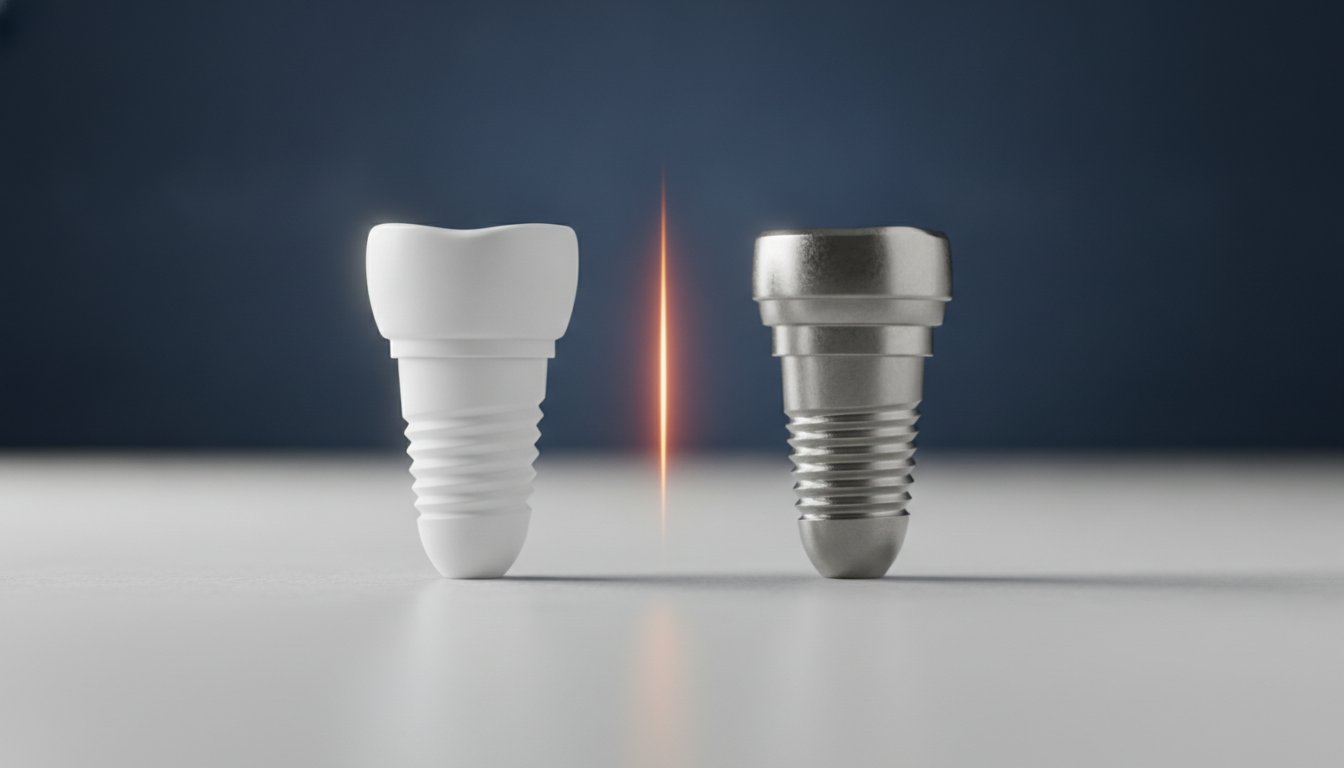
The success of this modern approach relies on advanced materials like titanium and zirconia. These materials are chosen for their unique ability to trigger osseointegration. This is the biological process where your natural jawbone actually grows around and fuses to the implant post. For a comprehensive dental implant overview, it's helpful to see how these materials have revolutionized the field by creating a bond as strong as a natural tooth root. This surgical precision ensures that your new smile is built on a foundation that is both reliable and durable.
The Three Essential Components of an Implant
A successful restoration isn't just a single piece of hardware; it's a sophisticated system designed to mimic natural tooth anatomy. There are three primary parts involved in the process. First, the implant post acts as the "root" that provides stability within the jawbone. Second, the abutment serves as a connector piece that bridges the post and the visible portion of the tooth. Finally, the restoration is the custom-made crown, bridge, or denture that completes your smile. Each component is tailored to your specific needs to ensure a perfect fit and a natural appearance.
Health Benefits Beyond Aesthetics
Many patients focus on the visual transformation, but the underlying health benefits are equally life-changing. One of the most critical advantages is the prevention of jawbone resorption. When a tooth is lost, the bone that once supported it begins to deteriorate because it no longer receives stimulation from chewing. Implants act like natural roots to keep the bone active and healthy. Additionally, dental implant surgery protects your adjacent natural teeth. You don't have to worry about grinding down healthy enamel to support a dental bridge. This procedure also restores your full chewing force and speech clarity, allowing you to return to your favorite foods and social activities with complete confidence.
Am I a Candidate? Eligibility and Surgical Preparation
Determining your eligibility for dental implant surgery starts with a simple question: do you have the foundational health to support a new smile? While most adults are excellent candidates, success depends on a few specific physical requirements. You need adequate bone density to anchor the post and healthy gum tissue to protect the site from infection. Your systemic health also plays a role. Conditions like controlled diabetes or autoimmune issues don't necessarily disqualify you, but they do require a more tailored approach to ensure your body can heal effectively.
Modern technology has removed much of the guesswork from this process. We use digital 3D imaging, specifically CBCT scans, to create a high-resolution map of your oral anatomy. This allows your surgeon to see the exact thickness of your bone and the location of nerves or sinuses before the first incision is ever made. Understanding these details helps transform a complex medical procedure into a predictable, manageable journey.
Smoking and certain lifestyle habits are also considered during your initial assessment. While nicotine can slow the healing process, it doesn't always mean you can't move forward. The goal is to create an environment where your body can thrive. During a personalized dental consultation, we'll review your medical history and discuss any adjustments needed to maximize your success. This transparency ensures you feel confident and informed before making any decisions.

Overcoming Bone Loss: Grafting and Specialized Techniques
If you've been told you lack the bone density for implants, don't lose hope. Bone grafting is a common and highly successful technique used to build up a site that has thinned over time. For the upper jaw, a sinus lift might be necessary to create enough space for the implant post without disturbing the sinus cavity. In cases where bone loss is more significant across the entire arch, modern All-on-4 techniques utilize specific angles to find stability in the existing bone, often avoiding the need for extensive grafting altogether.
Your Pre-Surgery Checklist
Preparation is the key to a stress-free experience. If you are opting for IV sedation, you'll need to fast for several hours before your appointment. It's also essential to manage any current medications or supplements as directed by your surgeon. Since you'll be resting after the procedure, arrange for a friend or family member to provide transportation and support at your home in Roseville or Sacramento. Having a recovery space stocked with soft foods and cold compresses will allow you to focus entirely on healing during those critical first 24 hours.
The Procedure: Step-by-Step Guide to Dental Implant Placement
The day of your procedure is the moment where precision meets transformation. While many patients feel a natural sense of anxiety, modern dental implant surgery is built around a foundation of absolute comfort and predictable results. We prioritize a painless experience by utilizing IV sedation. This allows you to drift into a state of deep relaxation while our board-certified surgeons perform the precise work required. You won't feel the procedure, and most patients have little to no memory of the time spent in the surgical suite. This supportive approach removes the barrier of fear and replaces it with a sense of calm confidence.
Once you are comfortably sedated, the surgical phase begins. We use 3D-guided technology to place the biocompatible post into the jawbone with sub-millimeter accuracy. This isn't just about placing a post; it's about finding the exact position where the titanium or zirconia will receive the most support from your existing bone structure. For those interested in the technical requirements of this process, this NIH clinical overview of dental implants explains the biological necessity of proper placement for long-term health. This level of detail ensures that every step of your journey is handled with clinical mastery.
Following the placement, the healing phase begins. This period of osseointegration is when your bone fuses with the implant post to create a permanent, rock-solid bond. Finally, once the site has matured and the foundation is secure, we attach your custom-made prosthetic. Whether you're receiving a single crown or a full-arch restoration, the final result is designed to look, feel, and function exactly like your natural teeth. You'll leave with a smile that isn't just a replacement, but a true restoration of your quality of life.
Same-Day vs. Traditional Timelines
Many patients are surprised to learn that the traditional six-to-nine-month wait isn't the only option in 2026. A traditional timeline typically allows three to six months for the bone to heal before the final prosthetic is attached. This remains a highly reliable route for many complex cases. However, for qualifying candidates, the "Teeth-in-a-Day" protocol allows us to place a temporary, functional set of teeth during the same visit as your dental implant surgery. Your unique biological healing rate and bone density will ultimately determine which path offers the best long-term outcome for your specific needs.
Frequently Asked Questions
Is dental implant surgery painful?
The surgery itself is not painful, as we utilize local anesthesia and IV sedation to ensure your comfort. Post-operative discomfort is usually manageable with over-the-counter or prescribed pain relievers.
How long does the actual surgery take?
The duration depends on the number of implants being placed. A single implant may take an hour, while a full-arch restoration like All-on-4 can take several hours per arch.
Will I be awake during the procedure?
We offer several sedation options. Most patients choose IV sedation, where you remain in a "twilight sleep"—deeply relaxed but responsive, and typically with no memory of the procedure.
What is the recovery time like?
Initial healing of the gums takes about a week to two weeks, during which you will follow a soft food diet. The complete integration of the implant with your bone (osseointegration) takes 3 to 6 months.
What if I don't have enough bone?
If you lack sufficient bone density, we can perform a bone grafting procedure to build up the necessary support before or during the implant placement.
Are dental implants covered by insurance?
Coverage varies widely by plan. Some insurance may cover part of the procedure, especially the crown portion. We offer comprehensive financing options to help manage any out-of-pocket costs.

Reviewed by Dr. Alexander Antipov, DDS
Board-Certified Oral & Maxillofacial Surgeon