Galleria Oral & Maxillofacial Surgery in Roseville, CA is equipped to provide the full range of anesthesia options in-office, with surgeons trained in hospital-based anesthesia — serving Placer County and the greater Sacramento region.
Anesthesia recommendations depend on your case complexity and medical history; the information below is general education, not medical advice. Your options will be reviewed at your consultation.
For a lot of patients, the anxiety isn't really about the teeth. It's about being awake for it.
The good news is that you have real choices, and the right one depends on how complex your case is, how you feel about dental procedures, and your medical history. Here's a straightforward comparison of the four options for wisdom teeth removal, plus guidance on the best time to have surgery in the first place.
The Four Levels of Anesthesia
Local Anesthesia Only
An injection numbs the area around the tooth. You're fully awake and aware, you feel pressure and movement but not pain, and you can drive yourself home afterward.
Best for: fully erupted wisdom teeth, single-tooth extractions, and patients who genuinely don't mind dental work.
Trade-off: you hear and feel everything happening — the pressure, the instruments, the sounds. For many people that's fine. For others it's the whole problem.
Nitrous Oxide (Laughing Gas) with Local
Inhaled through a small nose mask, nitrous produces a floaty, relaxed feeling while you stay conscious and responsive. It wears off within minutes of the mask coming off, so you can typically drive yourself home.
Best for: mild to moderate anxiety, simpler extractions.
Trade-off: it takes the edge off but doesn't eliminate awareness. It's not sufficient for most patients having four impacted teeth removed.
IV Sedation
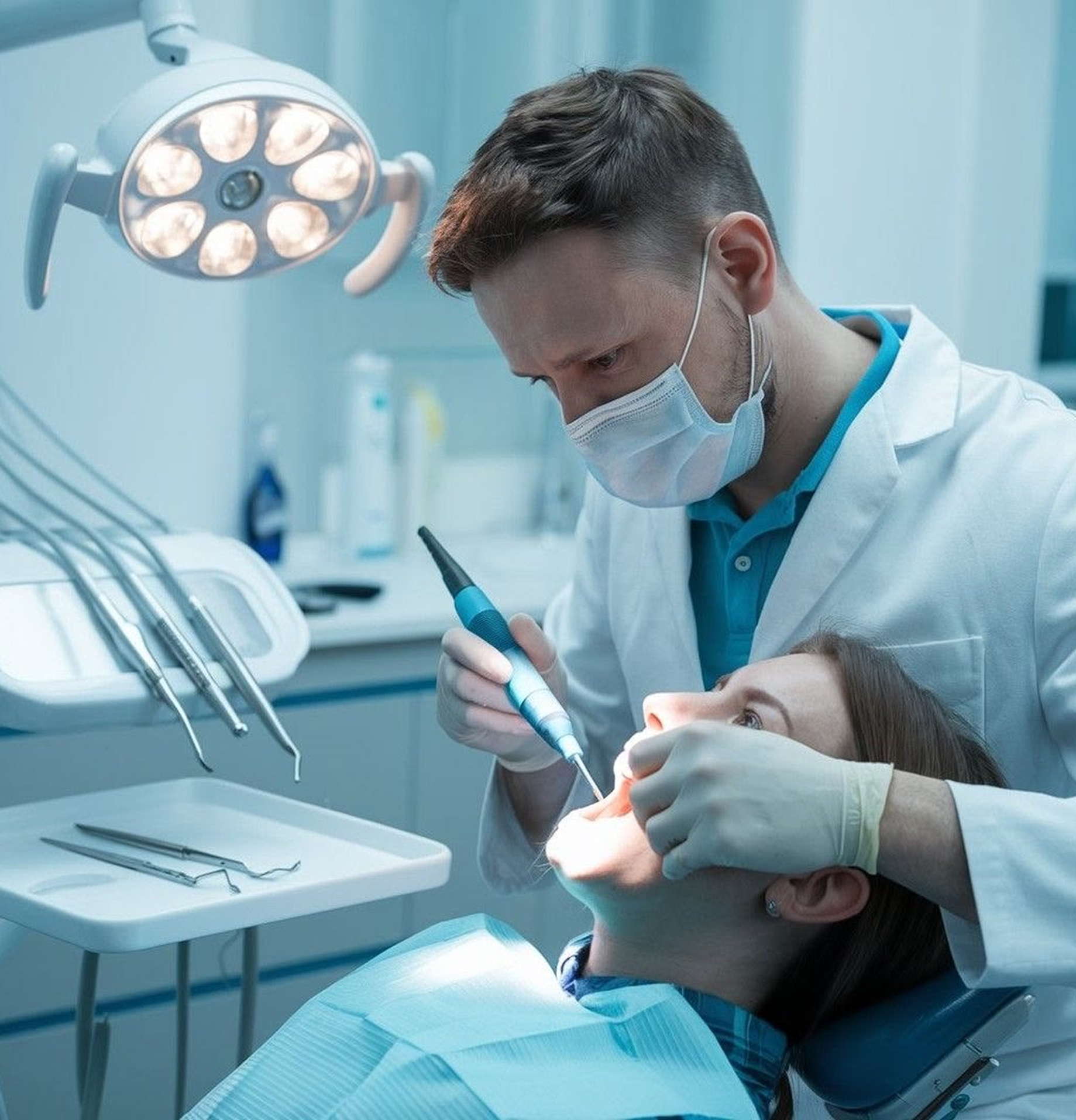
Medication is delivered through an IV line, producing a deeply relaxed, twilight state. Most patients have little or no memory of the procedure — a common description is falling asleep and waking up done. You're breathing on your own and can respond to instructions, but you're not really "present" for it.
Best for: impacted wisdom teeth, removal of all four at once, moderate to severe dental anxiety, and longer procedures.
Requirements: fasting beforehand (usually nothing to eat or drink after midnight), a responsible adult to drive you home and stay with you, and no work or driving for the rest of the day.
This is what most patients choose for third molar surgery, and it's why choosing a surgeon with in-office anesthesia training matters.
General Anesthesia
Complete unconsciousness, with airway support and continuous monitoring throughout.
Best for: very complex surgical cases, patients with severe anxiety or special needs, young children, and cases combined with other procedures.
Trade-off: longer recovery from the anesthetic itself and a higher cost.
Comparing at a Glance
| Awareness | Memory | Driving | Typical use | |
|---|---|---|---|---|
| Local only | Fully awake | Full memory | Yes | Simple extractions |
| Nitrous + local | Awake, relaxed | Usually remember | Usually yes | Mild anxiety |
| IV sedation | Twilight | Little to none | No — need a driver | Impacted third molars |
| General | Unconscious | None | No — need a driver | Complex or special cases |
What "Safe Anesthesia" Actually Requires
Oral and maxillofacial surgeons complete four to six years of hospital-based residency after dental school that includes formal anesthesia training — typically several months on a hospital anesthesia service. That's what allows them to provide IV sedation and general anesthesia safely in an office setting.
When evaluating a provider, it's fair to ask:
- Who administers the anesthesia, and what is their training?
- Is the surgical team certified in advanced life support?
- What monitoring is used during the procedure — pulse oximetry, blood pressure, ECG, capnography?
- Is the office equipped and permitted for the level of sedation being provided?
A good practice will answer these without hesitation.
How to Prepare for IV Sedation
- Fast as directed — usually nothing to eat or drink after midnight. This isn't optional; it's an airway safety measure. Full details are in our pre-operative instructions.
- Arrange your driver in advance. Your appointment will be rescheduled without one.
- Disclose every medication and supplement, including over-the-counter items, herbal supplements, cannabis, and recreational substances. Several interact with anesthetic agents.
- Wear short sleeves and flat shoes. Skip contact lenses, jewelry, and makeup.
- Fill prescriptions beforehand so you're not stopping at a pharmacy on the way home.
- Clear your day. Sedation medications affect judgment for up to 24 hours. No driving, no signing documents, no work.
When Is the Best Age to Have Wisdom Teeth Removed?
Timing affects difficulty more than most patients realize.
Third molar roots aren't fully formed until roughly the early-to-mid twenties. Removing the teeth while the roots are still developing — commonly between ages 16 and 22 — generally means:
- A shorter, less invasive procedure
- Roots that sit farther from the inferior alveolar nerve, reducing nerve-injury risk
- Less dense surrounding bone, which heals faster
- A quicker, more comfortable recovery overall
Removal later in life is absolutely still routine and safe. It simply tends to involve fully formed roots, denser bone, and a longer healing period — see our recovery timeline for what to expect. Patients over 35 or so often have a slower recovery and a somewhat higher complication rate.
A note for parents: the practical answer for teenagers is usually summer break or winter break, when a few days of downtime doesn't collide with exams or a sports season. Many families schedule an evaluation around age 16 or 17 so there's time to plan rather than react to a painful flare-up.
Frequently Asked Questions
Will I feel anything during the procedure?
With IV sedation, most patients have no memory of it at all. Local anesthetic is still administered, so the area is fully numb regardless of which sedation option you choose.
Do I really need a driver for IV sedation?
Yes. It's a firm requirement. The medications impair coordination and judgment well after you feel normal.
Is IV sedation safe?
When provided by a trained oral and maxillofacial surgeon with proper monitoring, in-office IV sedation has a strong safety record. Your medical history, medications, and airway are all evaluated beforehand.
Can I choose to stay awake?
Yes. If your case allows it, local anesthesia alone is a legitimate option. Discuss it at your consultation.
What if I have severe dental anxiety?
Say so directly at your consultation. It changes the recommendation. Many practices also offer an oral sedative the night before or morning of, and IV sedation means you'll retain essentially no memory of the appointment.
How long does the procedure take?
Removal of all four wisdom teeth commonly takes 45 minutes to an hour, depending on how the teeth are positioned.
Talk Through Your Options Before You Decide
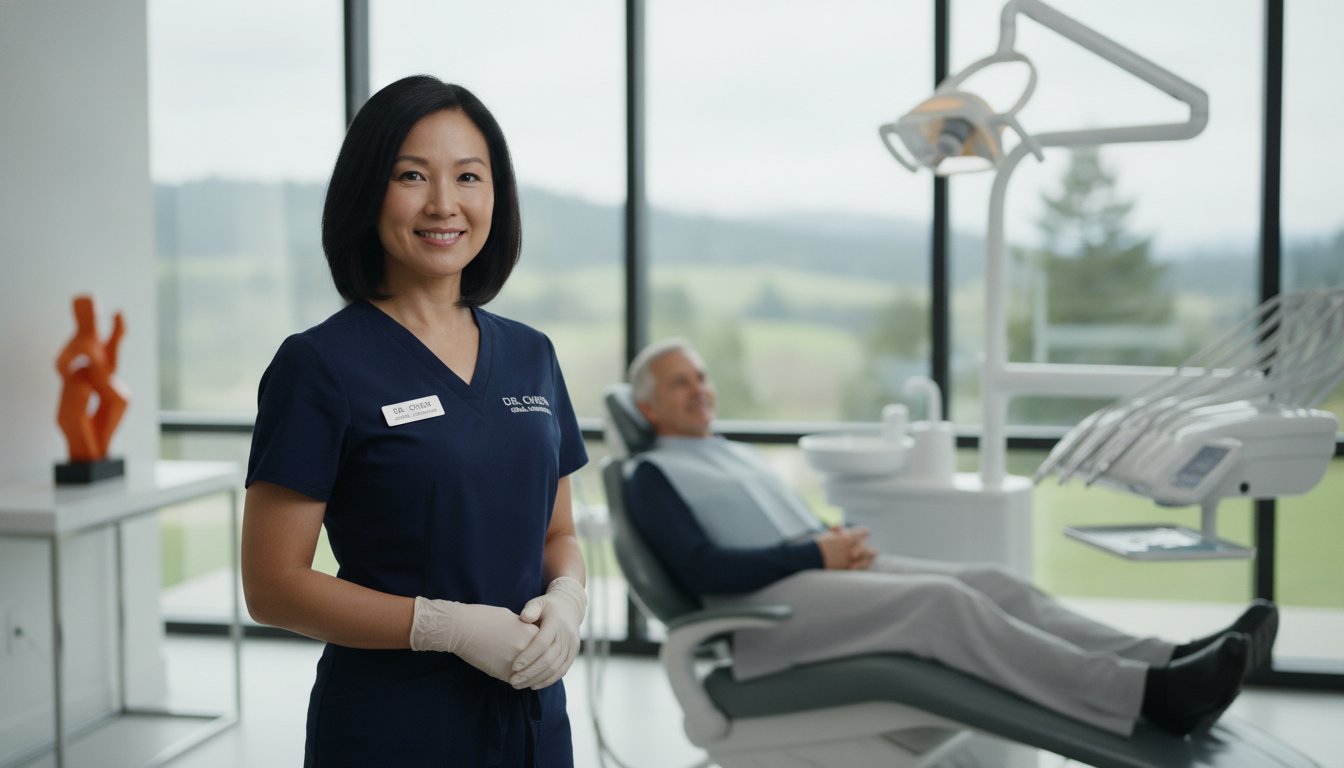
Both Dr. Alexander Antipov and Dr. André-David Kahwach have advanced hospital-based anesthesia training, and Galleria Oral & Maxillofacial Surgery is equipped to provide the full range of anesthesia options in-office. At your consultation, we'll review your imaging, your medical history, and your comfort level — and recommend the approach that fits.
Call (916) 783-2110 or schedule a consultation.
911 Reserve Drive, Suite 150, Roseville, CA 95678.